The return of monarchs and hummingbirds is imminent. Soon, both of these lovely species will grace my yard with their presence. For the last twelve years, patience, expectation, and anticipation have filled the days of spring waiting upon their arrival.
For the last several years, I have enjoyed participating in and teaching others, especially my students, how to participate in various citizen science projects involving these species. It has been increasingly important for ordinary citizens to contribute to the science of understanding migrational patterns and habitat decline, especially related to the Monarch Butterfly.
Citizen Science is defined by Wikipedia as : “Citizen science (CS) (also known as crowd science, crowd-sourced science, civic science, volunteer monitoring or networked science) is scientific research conducted, in whole or in part, by amateur or nonprofessionals scientists. Citizen science is sometimes described as “public participation in scientific research”, participatory monitoring and participatory action research.” en.wikipedia.org · Text under CC-BY-SA license
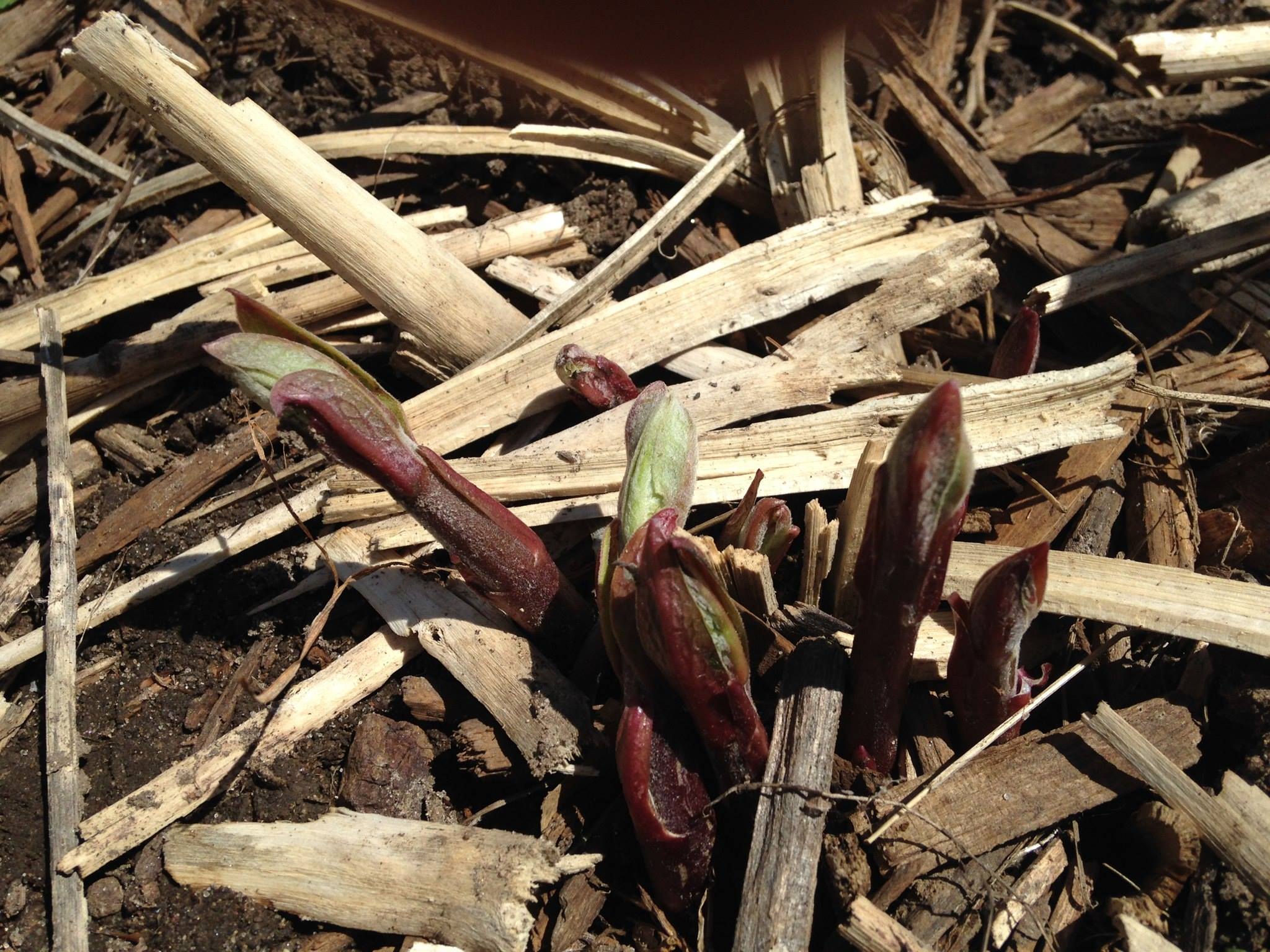
If you enjoy the return of birds and butterflies, the eruption of tulips in your yard, and the changing seasons, citizen science might be a great fit for you, too! Journey North is a website I have used for at least ten years to report milkweed eruption and monarch sightings in the spring. You can even access your own records to see any trends in the return timing species. For example, I can pull up my data that tells me I reported a first monarch sighting on 5/25/06 but in 2016, did not see one until July 5th! Wow! The chart below is my data from the first milkweed eruptions in my garden over the years.
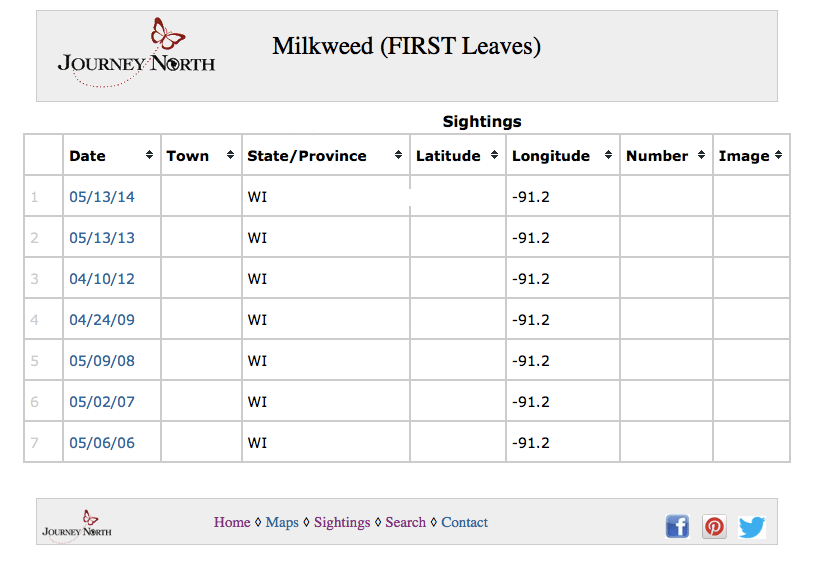
This is information I share with my garden club students yearly. I know a few of them have reported monarch sightings. I try to report to help scientists gather data on a species that fascinates me. Habitat conservation and restoration for monarchs has become a large part of my life during the last decade. When you share your observations you are contributing to an increased data base from which the scientists can draw conclusions, formulate plans, and take actions to protect or augment our earth’s biodiversity.
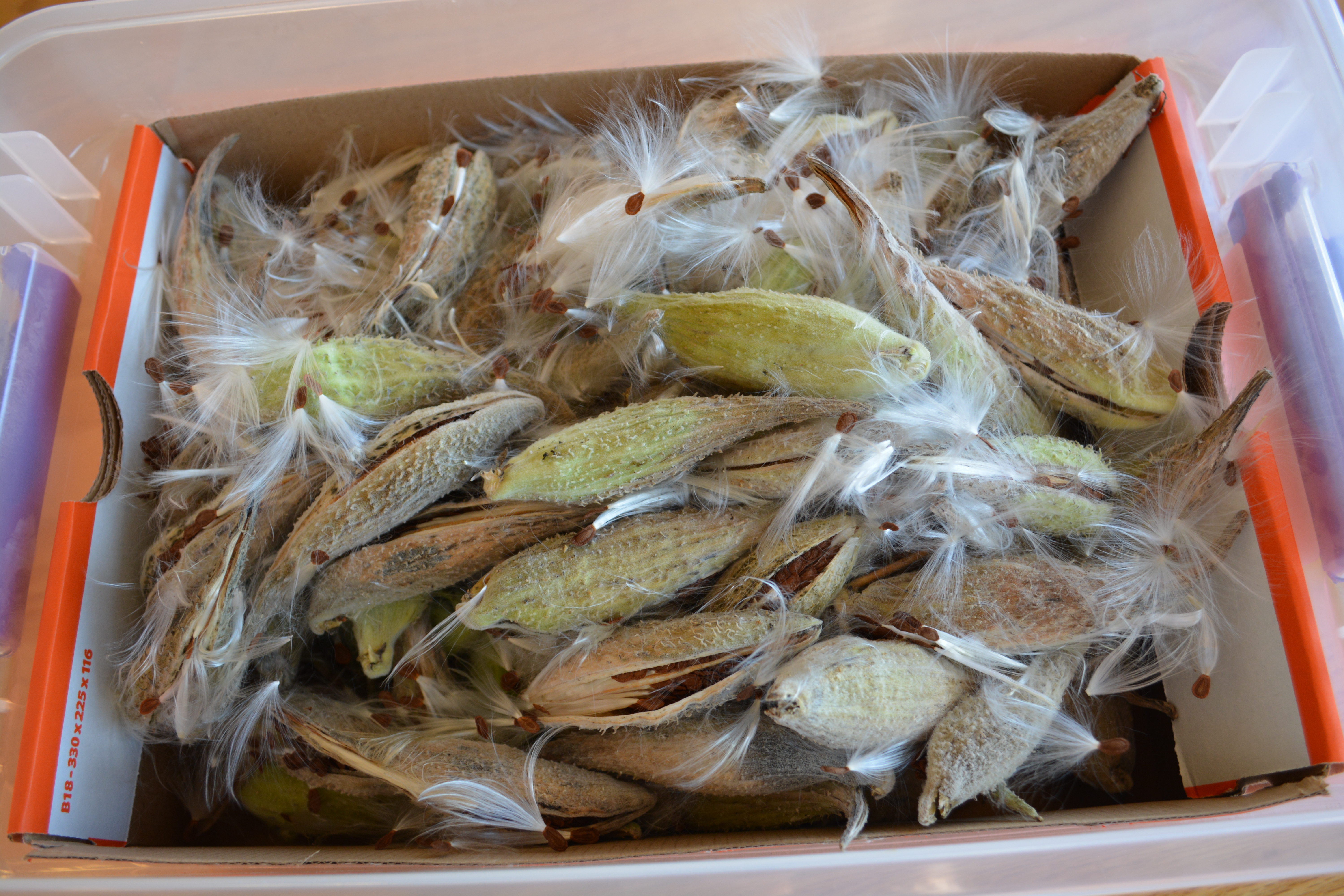
Our students collected milkweed seed pods in the fall of 2014 to send to Monarch Watch based on a call for citizens who had access to milkweed to do this. Since we had a lot of common milkweed in our school’s butterfly garden, we participated in sending some to Monarch Watch that fall.
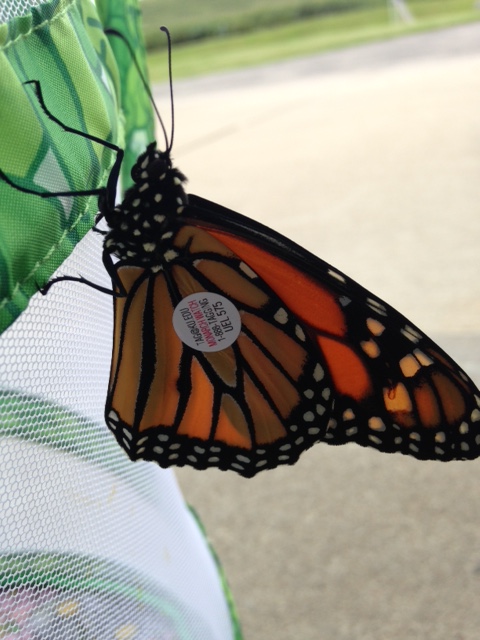
 Personally, I have participated in tagging Monarchs in the fall, as well. Tags can be obtained from Monarch Watch for a small fee. This activity allows migration to be monitored if others report the retrieved tag number when found.
There are also a couple of new citizen reporting sites for Monarchs. Monarch Joint Venture offers several opportunities for getting involved. They can be found here. This group is truly a collaborative effort of organizations trying to make a difference in monarch conservation.
Recently, I came across the Citizen Science Association through which you can find projects that might interest you. There is also an upcoming conference in May in the Twin Cities, Minnesota. While preparing for our hummingbird unit in garden club, I also found a reporting site for that species. Hummingbird Migration Tracker will allow you to report and follow their migration.
Being a participant in citizen science projects has allowed me to feel a part of something bigger, something working to preserve, enhance, and generate information about our world. In short, citizen science is a joyful and purposeful activity, providing global connections to my life.
 The Apples in My Orchard
Leave a comment