It’s March and I’ve been thinking about our gardens. We have a fairly big yard – 3+ acres – and quite a few large perennial beds. The perennial plants that were left for winter interest as well as food for the birds and hiding places for pollinators as well as moles, voles, and other hibernators, will soon need to be cut down to allow for the new growth.
Regularly now, I will make the rounds looking for my bulbs to start peeking through the mulch and my milkweed to sprout readying our yard for my iconic, colorful-winged friends to return. It will still be more than ten weeks before that happens though. I am getting ahead of myself.

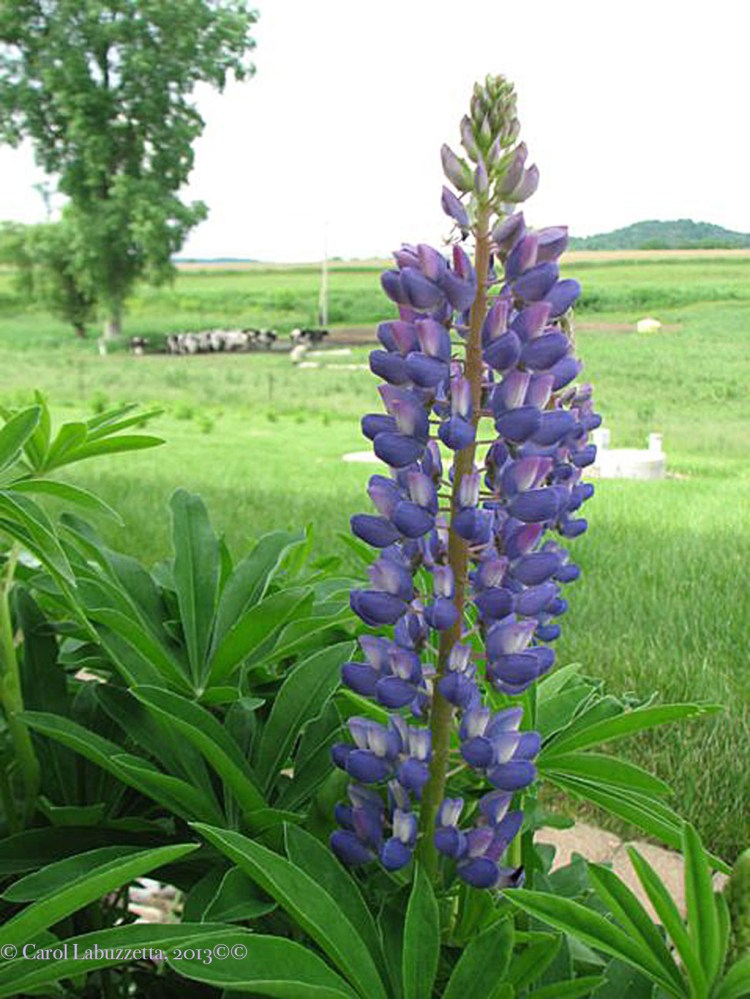
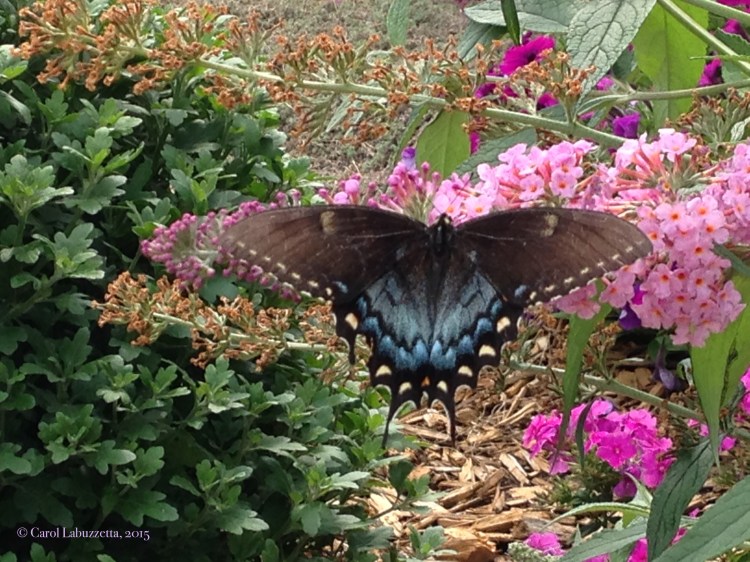
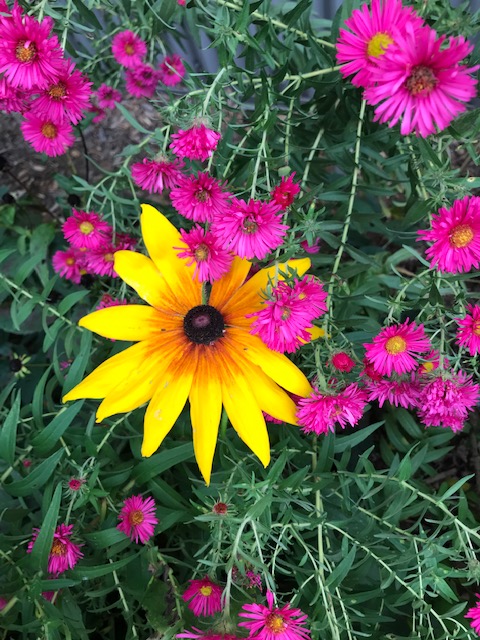
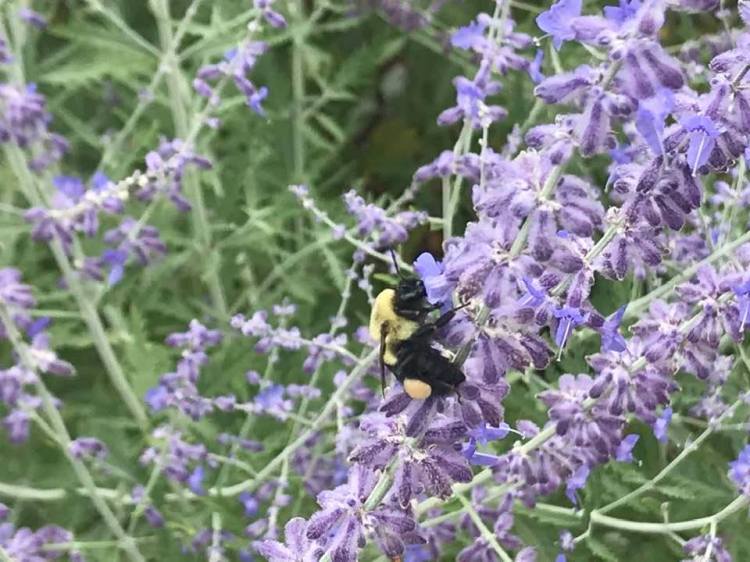


To satisfy some of my need to dig in the dirt, I’ve ordered plants. Yesterday, I placed a catalog order for Culver’s Root, Anise Hyssop, Shooting Stars, and three varieties of milkweed. Last year I noted that my common milkweed patch was thin, so I need to ensure that there is enough for the monarch caterpillars to feed from. I’ve raised monarchs for 18 years – well beyond the throngs of people that do it now. My technique is clean and sparse – I just like to see the metamorphosis, use it for educational purposes and then tag in the late summer. Raising hundreds or even thousands of monarchs really does not help the population and might actually hurt it by introducing disease and messing with the internal compass that guides their migration if raised inside. The research shows this is true.
Last year I had my husband make me an enclosure in which to raise the monarchs completely outside. But, it was less than desirable because of my thin common milkweed patch. This year, some of the new plants will be put in the enclosure to provide food. I’ll leave the door off until eggs are laid on the milkweed by female monarchs and then close it up, sit back and watch the process. This way, the monarchs will get what they need – exposure to natural light and day length – and I still get to watch. This was my impetus to buy some milkweed plants. I do have seed as I collect my own milkweed seed pods each year, but milkweed is notorious for not germinating on schedule. I hope I’ve avoided a mis-step by buying the plants.

The other plants I ordered from the catalog are all native to Wisconsin.
Shooting stars supply neither nectar or scent; they are buzz pollinated by some bumblebees and a few solitary bee species. But, they are very cool to look at in the late spring. For some great photos, just google shooting star plants. Maybe by this time next year, I’ll have some photos of my own!
Culver’s Root is a tall plant that resembles the more commonly known Veronica species. It is a native plant that has a long history of being used for medicinal purposes in some of the native american cultures. The variety I bought is purple and quite striking. Many species of bees are attracted to this plant.
It seems I goofed when ordering the Black Adder Anise Hyssop for it is a zone 6 plant. We are zone 4b. If you are unfamiliar with horticultural zones, you should do some research and/or reading on them. Basically, the number tells you whether or not the plant will survive the winter where you live. The higher the number, the warmer the climate. I’ll have to enjoy my Anise Hyssop as an annual because it will not survive a Wisconsin winter. Oh, well – even Master Gardeners make mistakes!
As I stated earlier, the other three plants I purchased were milkweed varieties. They are all native to my area of the country. If you are wondering what milkweeds grow natively in your region, you can check this handout from Monarch Joint Venture. Planting milkweed is the single most important thing you can do to help monarch butterflies. I use the resources provided by Monarch Joint Venture for most of my presentations on monarchs. They are well done and offer information on a variety of topics.
With my perennial order now placed, and my annual order placed last month, I am going to just have to wait, impatiently, to start planting! What’s in your garden?

I am participating in the Slice of Life Story Challenge. This is a daily writing challenge in the month of March hosted by TwoWritingTeachers.org. This is my fifth year of participation. Thank you to TwoWritingTeachers and their blog for hosting such a wonderfully supportive community!


 The Apples in My Orchard
Leave a comment