What a difference one week makes!
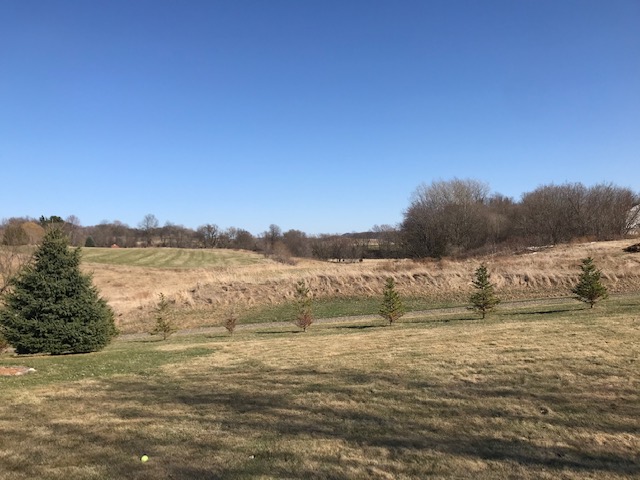
Today, we are finally getting some rain. It’s been a very dry spring so far in West Central Wisconsin. Fire risks are high so there’s been a ban on any burning. And, even with that ban, there have been several wild-fires within 100 miles of us, some right in nearby communities.
As some of you know, I spent much of March working on a signs of spring video for first graders. We’ve gone from a very brown landscape to one that is becoming greener with each passing day. It worked out well, however, that yesterday – the designated environmental day for the school for which I made the video – was a beautiful 77 degrees. So beautiful that the teachers were able to take the students on a spring phenology walk after viewing the video I sent.
Rain is so essential to our existence on earth. Unlike what it might seem on days when it rains hard or when we receive precipitation for several days in a row, there is only a finite amount of water on our planet. This both concerns and amazes me. Water is perhaps, arguably, our most precious natural resource. For without it, living systems will begin to fail. Yes, adaptations will take place, but biologically speaking, those life sustaining adjustments will take many thousands of years, if not longer.
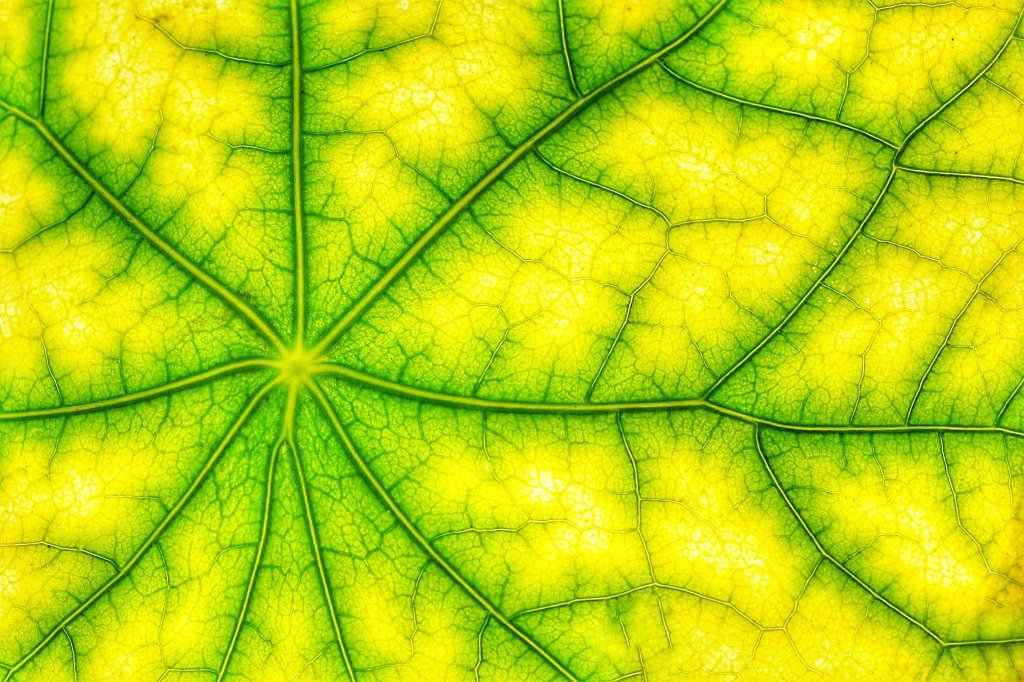
The “greening up” of our environment in the spring depends on water as much as it depends on sunlight and warmer days. For water is an essential part of the equation when it comes to plants making their own food through the process of photosynthesis. But, through experience, I know that this process is well beyond the capacities of most first grade students. Not all, but most.
Once children are a little older, we can start them brainstorming about water, the water cycle, water conservation, and water waste.
How can we conserve this natural resource that is so sustaining to life on earth? What are some ideas? And, what have you or your family actually put into action? Last year, as I was preparing for environmental day presentations at several different schools, I became more interested in discussing water with school aged children.
The trick here is not to frighten those who are young and might actually have to face future water wars. But, instead, the purpose is to gently introduce them to a complex topic and ask them to be involved in solutions for potential problem in their lifetime. Children can be challenged to come up with ways to save water and decrease their personal waste.
Lessons on geography can incorporate changes in water levels in places like Lake Mead and Lake Powell out west and other places where the resource is already diverted. Before and after satellite imagery can be used to view the flow and drainage in natural water systems as well as how to retain water for use. Countries like Bermuda where rainwater has long been saved off of tiered limestone and whitewashed roofs can be used as examples. Rain barrels and rain gardens can be explored as a way to save and collect water for additional use. These topics could include lessons for older students on sustainable living and sustainable agriculture.
Water will become more and more precious as there are more and more people who use it, need it, and feel their needs outweigh others. Water is a global environmental issue. So, when it rains like today – on a day when we need the element and can see the effect even a little drizzle has on plant life, I think about the importance of water.
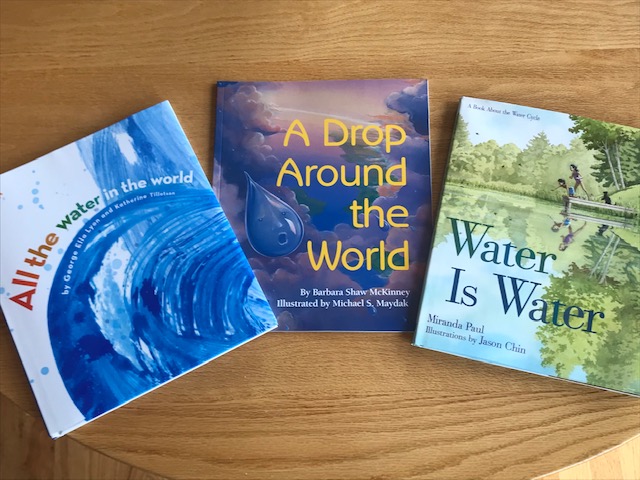
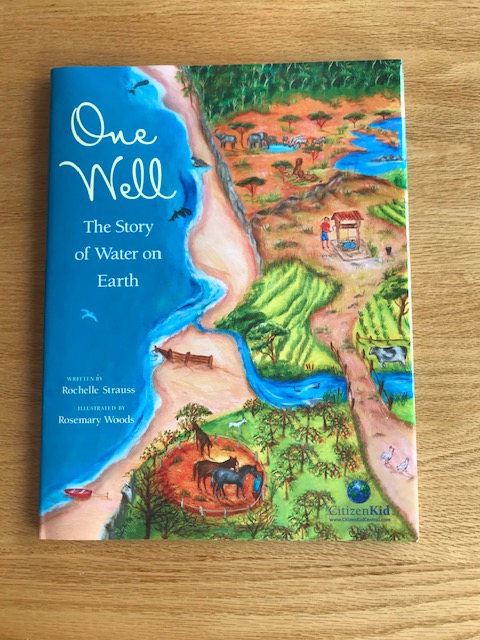
I can recommend three books for use with younger children and one to be explored with middle grades if you want to gently introduce this topic to your children and/or students. Perhaps a future environmental day presentation on water awareness and conservation will come to pass, if not in my local schools, in yours. It’s a topic that has implications for all of us!


 The Apples in My Orchard
Leave a comment